Raptor Transmissions
Blog
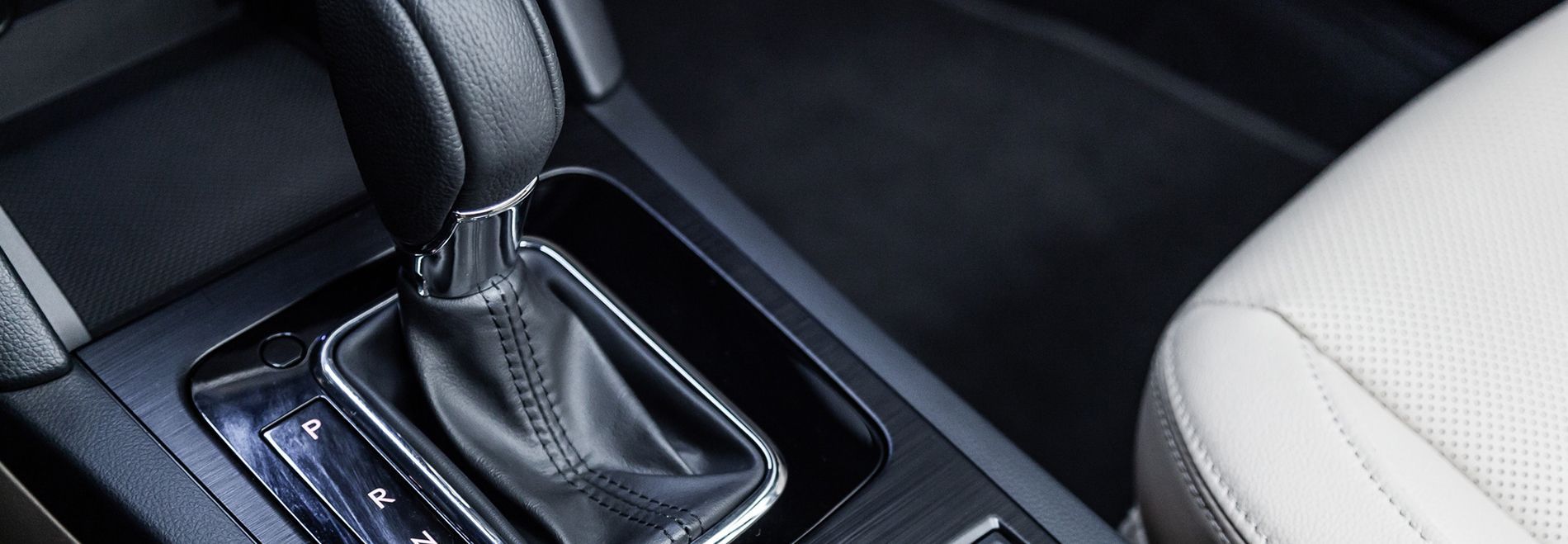
Your automatic transmission is one of the most complex and important components in your vehicle. It’s responsible for transferring power from the engine to the wheels while automatically selecting the appropriate gear for different driving conditions. Proper maintenance can help reduce unnecessary wear and keep the transmission operating smoothly for years to come. By following a few important maintenance habits and addressing potential problems promptly, you can help protect your transmission and support its long-term health. Follow the Recommended Maintenance Schedule Regular transmission maintenance is essential for long-term performance. Follow the manufacturer’s recommendations for inspections, fluid services, and other transmission-related maintenance. Depending on the vehicle and driving conditions, the transmission fluid may need to be inspected or replaced at specific intervals. Staying current with recommended service can help identify developing problems before they become more serious. Keep Transmission Fluid in Good Condition Transmission fluid lubricates internal components, helps manage operating temperatures, and supports proper shifting. Over time, fluid can become contaminated or lose some of its effectiveness. Low or degraded fluid can contribute to increased friction, overheating, and premature component wear. This makes it important to consistently drive with the right level of clean fluid. Avoid Overloading Your Vehicle Excessive loads can place additional strain on the transmission, particularly when towing or driving in demanding conditions. If your vehicle is regularly used to carry heavy loads, make sure you stay within the manufacturer’s recommended towing and weight limits. Excessive strain can increase heat and place additional demands on internal transmission components. Using your vehicle within its specified limits can help support longer transmission life. Address Warning Signs of Trouble ASAP Unusual symptoms should never be ignored when it comes to transmission health. Delayed engagement, slipping, harsh or unusual shifting, grinding noises, fluid leaks, and unexplained changes in performance can indicate a developing problem. Having these symptoms professionally diagnosed as soon as possible may prevent a minor issue from becoming more extensive. Transmission Service in Houston For experttransmission service in Houston and the surrounding area, contact Raptor Transmission at (281) 559-7586 . Feel free to give us a call to make an appointment for transmission care in greater Houston!

Your automatic transmission is one of the most complex and important components in your vehicle. It’s responsible for transferring power from the engine to the wheels while automatically selecting the appropriate gear for different driving conditions. Proper maintenance can help reduce unnecessary wear and keep the transmission operating smoothly for years to come. By following a few important maintenance habits and addressing potential problems promptly, you can help protect your transmission and support its long-term health. Follow the Recommended Maintenance Schedule Regular transmission maintenance is essential for long-term performance. Follow the manufacturer’s recommendations for inspections, fluid services, and other transmission-related maintenance. Depending on the vehicle and driving conditions, the transmission fluid may need to be inspected or replaced at specific intervals. Staying current with recommended service can help identify developing problems before they become more serious. Keep Transmission Fluid in Good Condition Transmission fluid lubricates internal components, helps manage operating temperatures, and supports proper shifting. Over time, fluid can become contaminated or lose some of its effectiveness. Low or degraded fluid can contribute to increased friction, overheating, and premature component wear. This makes it important to consistently drive with the right level of clean fluid. Avoid Overloading Your Vehicle Excessive loads can place additional strain on the transmission, particularly when towing or driving in demanding conditions. If your vehicle is regularly used to carry heavy loads, make sure you stay within the manufacturer’s recommended towing and weight limits. Excessive strain can increase heat and place additional demands on internal transmission components. Using your vehicle within its specified limits can help support longer transmission life. Address Warning Signs of Trouble ASAP Unusual symptoms should never be ignored when it comes to transmission health. Delayed engagement, slipping, harsh or unusual shifting, grinding noises, fluid leaks, and unexplained changes in performance can indicate a developing problem. Having these symptoms professionally diagnosed as soon as possible may prevent a minor issue from becoming more extensive. Transmission Service in Houston For expert transmission service in Houston and the surrounding area, contact Raptor Transmission at (281) 559-7586 . Feel free to give us a call to make an appointment for transmission care in greater Houston!

Transmission fluid plays an important role in keeping your vehicle's transmission operating smoothly. It lubricates internal components, helps control operating temperatures, and supports the hydraulic functions needed for proper gear changes. Over time, however, transmission fluid can become contaminated with dirt, debris, metal particles, or other substances. Contaminated fluid may reduce the transmission's ability to operate properly and contribute to premature wear. At Raptor Transmission, we can expertly address issues with transmission fluid. Recognizing the warning signs of contaminated fluid can help you address the problem before serious damage occurs. Dark or Discolored Fluid Healthy transmission fluid is typically relatively clean and has an appropriate color for the type of fluid specified by the vehicle manufacturer. As fluid ages or becomes contaminated, it can become noticeably darker. Fluid that appears unusually brown, nearly black, or otherwise significantly different from its normal appearance may indicate contamination or degradation. A technician can inspect the fluid and determine whether it needs to be replaced. Burnt Odor Transmission fluid that has become overheated or contaminated may develop a strong, burnt smell. This can indicate that the fluid has been exposed to excessive temperatures and is no longer providing adequate protection for internal components. A burnt odor should not be ignored, particularly if it occurs along with shifting problems or other changes in vehicle performance. Rough/Delayed Shifting Contaminated transmission fluid can interfere with the transmission's ability to operate smoothly. You may notice harsh or delayed gear changes when accelerating or shifting between gears. In some cases, the vehicle may hesitate before engaging a gear—or gears may slip. These symptoms can have other causes, but contaminated or degraded fluid is one possibility that should be investigated. Unusual Transmission Noises A transmission that isn't receiving adequate lubrication may produce unusual sounds. Whining, humming, buzzing, or other noises that weren't previously present can indicate a developing transmission problem. Any new or persistent transmission noise deserves professional attention. Transmission Service in Houston, TX When you need transmission service in Houston and the surrounding area, contact Raptor Transmission at (281) 559-7586 . Feel free to give us a call to make an appointment !

Your vehicle's automatic transmission is responsible for transferring power from the engine to the wheels while seamlessly shifting through the gears. Because it is made up of numerous complex components working together, even a minor transmission issue can quickly develop into a more costly repair if left unaddressed. Recognizing the early warning signs of transmission trouble allows you to seek professional service before the damage becomes more extensive. At Raptor Transmission, we provide expert automatic transmission repair in the greater Houston area. Here are four common signs of an automatic transmission issue. Delayed or Rough Shifting If your vehicle hesitates before shifting into drive or reverse, shifts with a noticeable jolt, or changes gears roughly while accelerating, there could be a significant transmission problem. Low transmission fluid, worn internal components, or problems with the transmission's electronic controls can all contribute to poor shifting performance. Prompt diagnosis can help prevent additional wear. Slipping Gears A healthy automatic transmission should remain in the selected gear until it's time to shift. If the transmission unexpectedly slips out of gear or the engine revs higher without a corresponding increase in vehicle speed, the transmission may be slipping. This can be due to issues with transmission fluid. Gear slipping can create dangerous driving situations when accelerating or climbing hills. This problem should be inspected as soon as possible. Transmission Fluid Leaks Automatic transmissions rely on clean transmission fluid to lubricate moving parts, control heat, and provide hydraulic pressure for gear changes. If you notice red or reddish-brown fluid underneath your vehicle, a transmission leak may be present. Leaks commonly develop at seals, lines, the transmission pan gasket, or the transmission pan itself. Because low fluid levels can quickly lead to internal damage, transmission leaks should never be ignored. Unusual Noises There’s cause for concern if you hear whining, humming, buzzing, grinding, or clunking noises. These sounds often point to worn bearings, damaged gears, or other internal transmission problems. Having the transmission inspected promptly can help prevent more extensive and expensive repairs. Automatic Transmission Repair in Houston, TX For expert transmission repair in Houston and the surrounding area, contact Raptor Transmission at (281) 559-7586 . Feel free to give us a call to make an appointment for transmission service in greater Houston!

Learn the 5 warning signs of suspension trouble. Contact Raptor Transmissions for expert repair services to keep your vehicle safe.
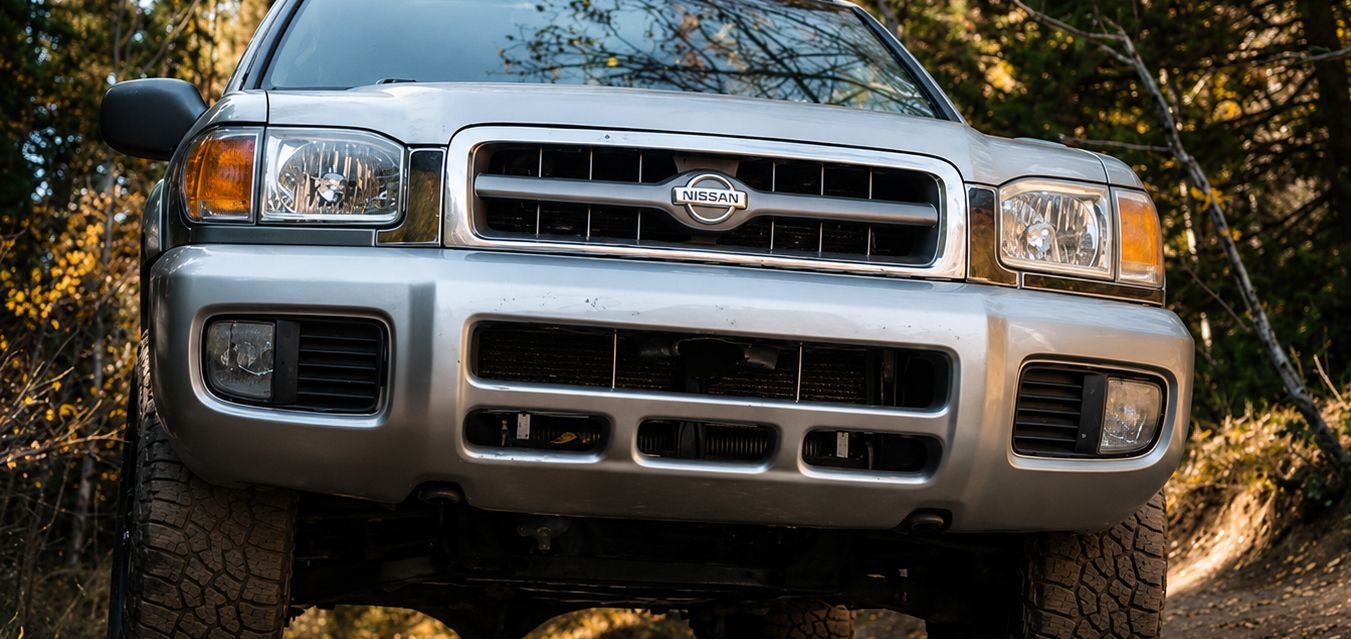
Learn about 4 urgent transmission issues to fix. Contact Raptor Transmissions for expert repair services in Houston.
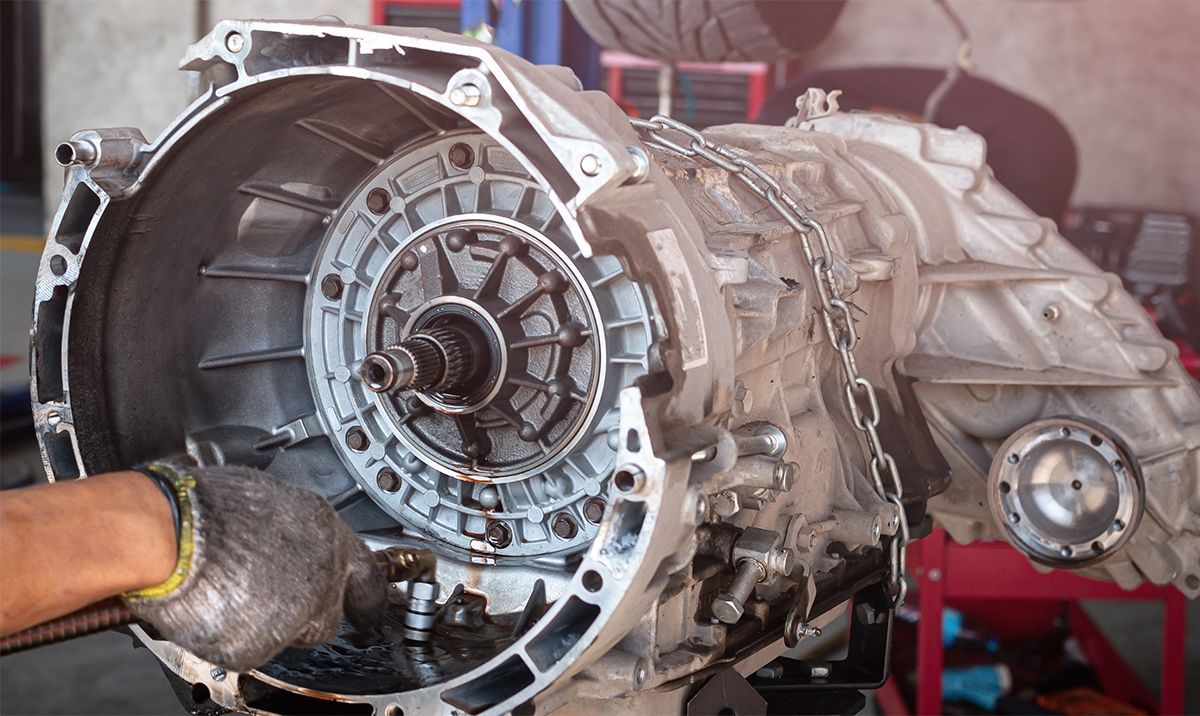
Avoid costly transmission repairs with tips on fluid checks, service schedules, & smooth driving. Contact Raptor Transmissions for help!
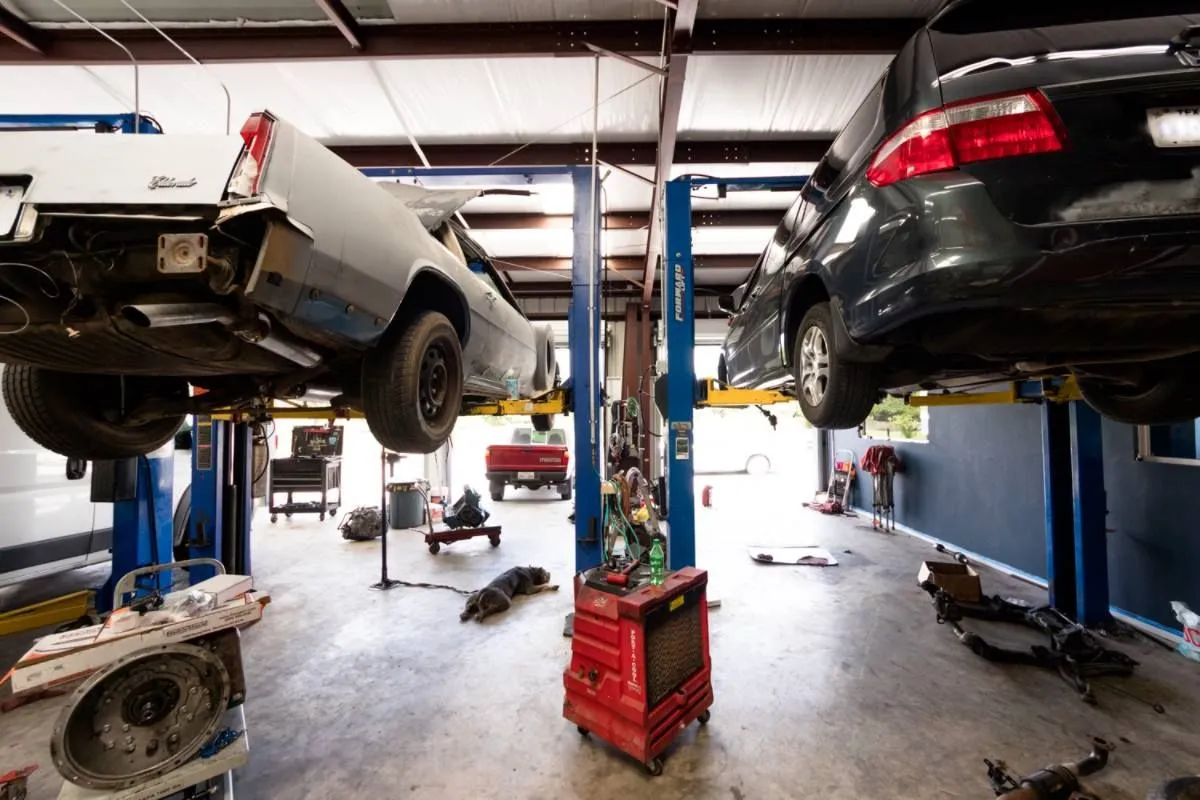
Get expert answers on suspension repair. Learn about signs of wear & our repair process. Contact Raptor Transmissions for help today!
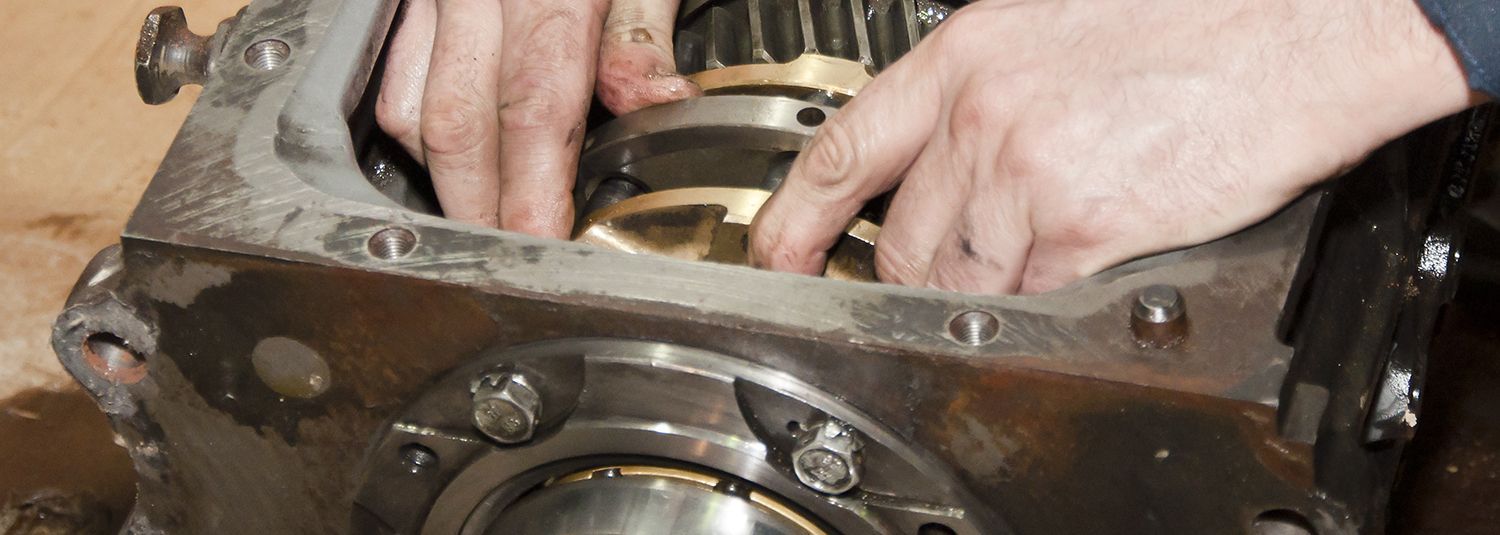
Get answers to common questions about transmission fluid leaks. Contact Raptor Transmissions for expert repair services today!